
By Zoe Zohn
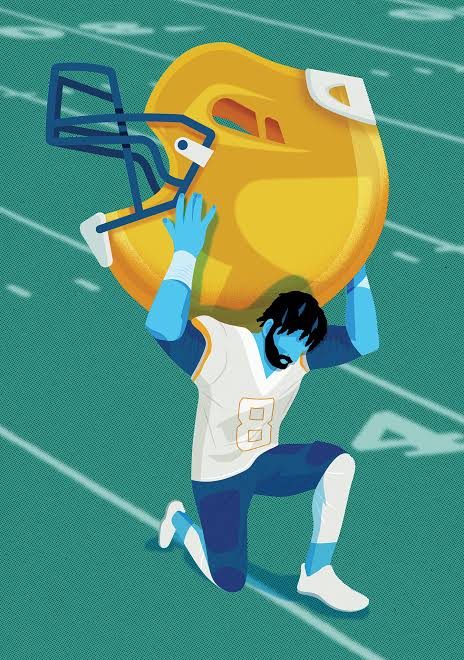
Approximately 30% of high school athletes struggle with mental health. While so many of us are used to watching football players from the stands, we understand very little about what it’s like from their perspective. When we look specifically at American football, it becomes clear that an immense amount of pressure and stress is put on these athletes as they endure demanding practices that have harsh impacts on their bodies.
For millions of high school football players, fall means one thing: football. It means school pride, Friday night lights, and representing their school. However, behind all the excitement lies a complex emotional reality. Football offers various benefits but also presents significant physical and psychological challenges.
The high-contact sport often results in players receiving numerous bruises and injuries. Knowing this, athletes are often expected to push through the pain and might feel pressured to continue practicing for fear of being looked down upon by their teammates or coaches. The colossal tension and burden these players feel can lead to a lack of motivation, underperformance, and in some cases, quitting altogether. In addition, when a player suffers a season-ending injury, they often lose their daily routine and social structure overnight. This sudden separation can trigger feelings of isolation and a perceived loss of identity. Being unable to play alongside familiar teammates whom they see almost daily can really set an athlete back.
While many stand by the familiar motto, “no pain, no gain,” more people are beginning to recognize the potential harm behind these words. Such a mindset reinforces hypermasculine attitudes, where people believe that showing emotion, physical vulnerability, or even discussing mental health struggles are a sign of weakness. Athletes often suffer in silence, worrying that expressing vulnerability could cost them their starting positions, playing time, or the respect and praise of coaches and teammates. Adults sometimes lean into the “Man up” rhetoric, which can unintentionally worsen an individual’s mental state.
Annually, there are 100,000-150,000 concussions reported among high school football players across the country. Repeated head injuries can have long-term consequences, including increased risk of Chronic Traumatic Encephalopathy (CTE). Every concussion can affect brain function and contribute to mood changes, sleep disturbances, and difficulty regulating emotions, all of which may intensify symptoms of anxiety and depression. On top of all these obstacles, recovery can leave less cognitive energy to handle daily academic responsibilities and social stressors.
However, football isn’t all bad. The brotherhood built among players is an important part of the sport. Lasting relationships can provide players with a sense of belonging, companionship, and a reliable support network. From the biological perspective, physical activity releases endorphins, which help improve mood and reduce symptoms of anxiety and depression. Additionally, early morning lifts, studying playbooks, and managing academics teach discipline and time management skills that build long-term self-esteem and resilience. These abilities not only carry athletes farther in the football industry, but also in their lives.
Ultimately, finding balance in sports is the key to success. It’s essential to recognize the importance of mental health, emphasize the need for rest, and provide access to counselors when needed. Supporting student-athletes means seeing them as complete individuals, celebrating their athletic achievements while also providing them with the tools to handle pressure both on and off the field.










Be First to Comment