By Amelia Jewett ‘27
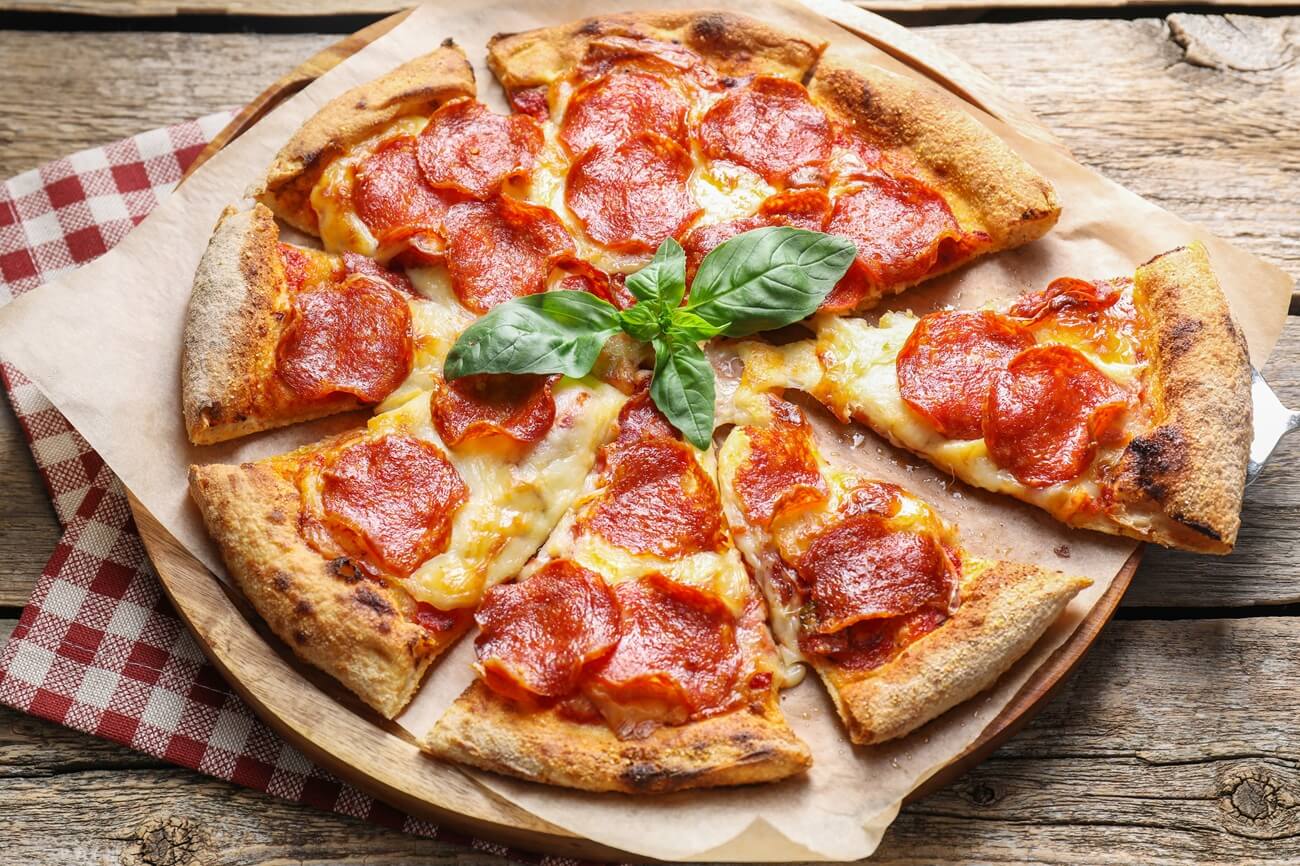
The most iconic and popular dish in mainstream society, without a doubt, has to be pizza. The crisp air of the crust combines with rich tomato sauce and gooey cheese to create indulgent flavors that melt in your mouth. It has become a staple at social gatherings and within American culture, praised for its versatility, convenience, and affordability. But how did pizza grow to the status it holds today?
The origins of this cheesy treat lie not in America, but as far back as ancient times. Pizza wasn’t invented by a single culture, but instead evolved gradually from traditional topped flatbreads made by the ancient Greeks, Romans, and Egyptians. One of the earliest records of a “pizza-like” dish comes from the Roman poet Virgil in his 19 BCE epic Aeneid. In the story, Trojan refugees, after fleeing their city and arriving in Latium, Italy, ate meals of mushrooms and herbs on round loaves, which they later consumed as well.
The dish as we recognize it today emerged in 18th-century Naples. Street vendors sold pizza in individual slices, making it affordable and easy to produce in large quantities for the growing population of urban workers. The ingredients were inexpensive, making it an ideal food for a rapidly expanding city. From there, pizza continued to spread, eventually gaining popularity among upper-class consumers and across other countries.
Pre-pandemic data from the U.S. Department of Agriculture reveal interesting statistics about America’s pizza consumption. On any given day, about 11% of the population consumed pizza, accounting for roughly 27% of total daily energy intake. On average, males ate about four slices per occasion, while females typically consumed three. An article in Pizza Today reports that approximately 45%–60% of the market consists of independent pizzerias, many of which are thriving, with over 20% generating more than $2 million in annual sales. Looking ahead to 2026, trends include the growing use of AI in restaurant operations, a decline in dine-in experiences, and a surge in online ordering through apps and third-party delivery services.
The popularity of this doughy delight is undeniable, yet its variations differ greatly depending on the region. New York-style pizza is a classic, characterized by large, thin, foldable slices—ideal for eating on the go in a fast-paced city. The toppings are typically simple and not overly heavy. Chicago deep-dish pizza is also widely recognized, known for its thick crust and layered fillings. Baked in a deep pan, the dough is pressed along the bottom and sides, resembling a pie. The layering is reversed, starting with cheese, followed by toppings, and finished with a generous layer of tomato sauce.
Another favorite is traditional Neapolitan-style pizza, featuring a thin center crust with a puffed, airy rim that is lightly charred. Cooked in a wood-fired oven, the dough and fresh ingredients come together to create an artisan-quality pie. Detroit-style pizza stands out for its square shape and thick, airy crust, baked in dark metal pans. The cheese is spread to the edges, creating a crispy border, while the sauce is layered on top, resulting in a slightly sweet, well-seasoned finish.
Looking for a bite to eat in Beverly? There are countless local options to choose from. Tuscan Hill on Cabot Street is known for its classic Tuscan, Italian, and Mediterranean cuisine, with recipes passed down through generations. The well-known regional chain Pizzeria Regina has a location in the Cummings Center, offering rich flavors that appeal to many. For feeding a crowd, Mike’s on Cabot Street is a popular choice, featuring a wide variety of appetizers, salads, sides, and their signature sheet pizzas in multiple sizes. Other notable spots include Maria’s Corner Pizza, Panini Pizza Co., and OTTO on Rantoul Street.
Whether you’re grabbing a quick bite on the go, meeting friends, or hosting a large gathering, this baked favorite continues to thrive in American culture. While it may not always be the healthiest option, it remains a well-loved reward for celebrations and special occasions. For a healthier or more personalized approach, consider experimenting with homemade recipes to customize your favorite comfort food.
Sources: All the Types of Pizza Every Pizza-Lover Needs to Know